
Understand Anxiety Self-Assessments: Evidence-Based Guidance and Tips
Take Anxiety Test Online
Get StartedWhat Online Anxiety Self-Assessments Really Measure
Digital self-assessments can be helpful starting points for understanding how worry, stress, and physiological arousal interact in daily life. These tools generally ask about frequency and intensity of experiences such as restlessness, muscle tension, rumination, irritability, and sleep disruption. They aggregate responses into a score that approximates risk levels, offering language for what you feel and a framework for next steps. While they cannot diagnose conditions, they can illuminate patterns and help you communicate more clearly with a clinician, a counselor, or a trusted support person.
Curiosity often leads people to try an anxiety test online as a low-friction first step toward clearer self-awareness. Many platforms base their items on established screening approaches, which improves the consistency of questions and the reliability of results over time. Even so, results should be viewed as indicators rather than answers, because context, health history, and comorbid issues can shift interpretations substantially.
For convenience, many people start by trying an online anxiety test to get a preliminary snapshot before deciding whether to contact a professional. Beyond the score, look for actionable guidance, including self‑care suggestions, reflective prompts, and safety information. A trustworthy screener explains how data is used, cites scientific sources, and encourages follow‑up when scores are elevated or symptoms disrupt daily functioning. Taken together, these elements make self‑assessments more than quizzes; they become gateways to informed decisions.
- Screen for patterns without pressure or judgment.
- Translate subjective feelings into structured insights.
- Identify topics to discuss with a healthcare provider.
- Track changes over weeks to notice trends and triggers.
How Digital Screenings Work and How to Read the Results
Most screeners present a series of statements and ask how often each applies to you, typically ranging from “never” to “nearly every day.” Your selections convert to points that map onto a severity range, which may read as minimal, mild, moderate, or severe. A result is informative for self‑reflection, yet it should be paired with your personal narrative, medical background, and cultural context to avoid oversimplification. Remember that stress, sleep debt, caffeine use, and physical health all influence responses, so a single snapshot benefits from periodic retakes to confirm patterns.
To map nuanced signs such as hypervigilance, avoidance, and somatic tension, an anxiety symptoms test online translates lived experiences into quantifiable themes for easier interpretation. After scoring, you’ll usually see a short explanation of what the range suggests, plus ideas for coping skills or resources. If you notice that certain questions feel especially salient, copy them into a journal and annotate situations, thoughts, and bodily cues that appear together.
Those who value accessibility often start with a free online anxiety test curated by nonprofits, universities, or clinics that openly publish their methodology. Good tools clarify that elevated scores warrant professional evaluation, particularly if you’re noticing rapid mood shifts, panic episodes, or escalating avoidance. If results surprise you, consider retesting at a different time of day or after sleep, and seek input from a clinician if distress persists. Interpretation improves as you combine numbers with context, which is the heart of thoughtful self‑assessment.
- Look for screeners aligned with recognized clinical scales.
- Read privacy disclosures before entering sensitive details.
- Record scores over time to reveal trajectories, not one‑off spikes.
- Pair results with coping plans and supportive conversations.
Benefits, Limitations, and a Quick Comparison of Screening Options
Online tools can lower barriers by offering immediacy, discretion, and portability across devices. Many people appreciate the ability to explore concerns privately before booking an appointment, which can reduce hesitation and stigma. That said, a score cannot replace a full assessment that considers medical conditions, trauma history, medications, substance use, and lifestyle factors. False reassurance or unnecessary alarm can occur when tools are poorly designed or interpreted without context. The best approach blends convenient screening with professional guidance, especially when symptoms are severe or persistent.
Some visitors begin with an anxiety online test because it’s fast, transparent, and available anytime you have a few quiet minutes. If you’re noticing functional impairment, an anxiety disorder test free online may suggest whether it’s wise to schedule a comprehensive evaluation with a qualified clinician. When cost is a concern, an online anxiety test free can serve as a pragmatic entry point while you research in‑person or telehealth options that fit your budget and insurance.
Use the comparison below to differentiate common options and decide which format matches your current needs, time, and privacy preferences.
| Screening Type | Typical Length | Best For | Notes |
|---|---|---|---|
| Brief self-checker | 2–4 minutes | Quick orientation | Useful for first look; retest to confirm patterns |
| Validated questionnaire | 5–10 minutes | Structured insight | Often maps to clinical ranges used by professionals |
| Comprehensive screen | 10–20 minutes | Deeper exploration | Covers comorbid issues, triggers, and functional impact |
- Use brief checkers when you need a rapid reading before a busy day.
- Choose validated formats when you plan to share results with a provider.
- Opt for comprehensive screens if symptoms are complex or long‑standing.
Special Considerations for Children, Teens, and Students
Age and developmental stage matter a great deal when interpreting self‑assessment results. Younger users may struggle to describe internal experiences, which means family observations and teacher input can add essential context. Language should be clear, concrete, and nonjudgmental, with examples that reflect school life, friendships, and routines. When a young person completes a screener, it can help to review the items together and discuss real‑world situations that relate to high‑scoring areas. Gentle conversation encourages insight while avoiding pressure or shame.
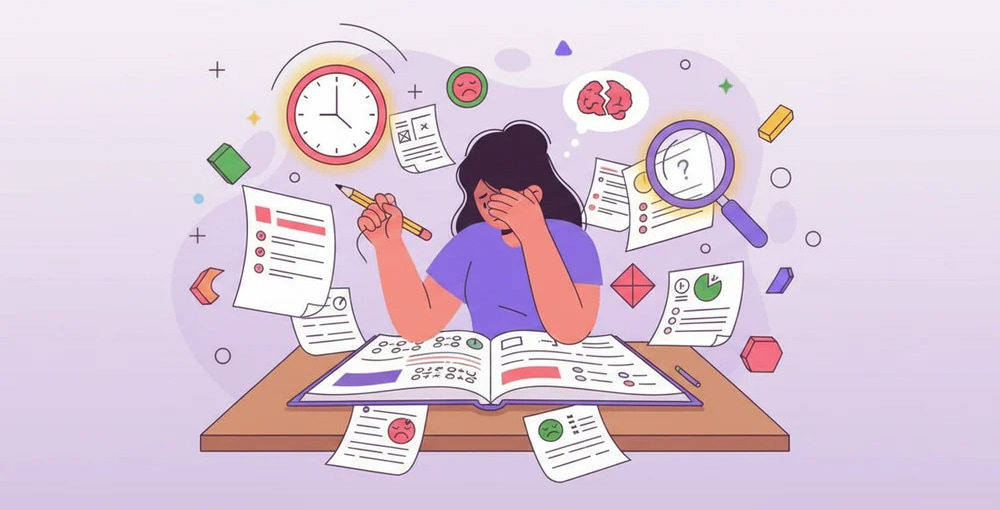
Families sometimes consider an anxiety test online for children when kids have stomachaches, headaches, or school avoidance that seem linked to worry. Caregivers of adolescents may prefer an anxiety test online for teens embedded with age‑appropriate language and privacy protections suited to digital natives. Students under pressure might notice that online test anxiety can complicate focus, recall, and confidence during exams and study sessions.
Support strategies work best when they blend skill‑building with compassionate structure. Helpful approaches include predictable routines, sleep hygiene, gradual exposure to feared tasks, and collaborative problem‑solving. Educators and counselors can coordinate accommodations such as extra time, quiet testing spaces, or coaching that targets executive skills. If a score indicates significant impairment or safety concerns, prompt consultation with a pediatrician or mental health professional is the safest path forward, ensuring tailored care that respects developmental needs.
- Use plain language and concrete examples with younger users.
- Invite supportive adults to interpret results alongside the child or teen.
- Address school pressures with practical adjustments and coaching.
- Escalate to professional evaluation when symptoms are intense or persistent.
Choosing a Quality Tool, Protecting Privacy, and Planning Next Steps
Before you click “Start,” take a minute to evaluate the credibility of the platform. Reputable screeners cite sources, describe how results are calculated, and explain what they do with your data. Look for clear privacy statements, the ability to use the tool without creating an account, and options to delete entries. It also helps to check whether the questionnaire aligns with recognized scales, which supports comparability if you later share scores with a clinician. Saving results and journaling reactions can make follow‑up conversations richer and more efficient.
People seeking simplicity might use an anxiety test online free during a lunch break to gauge trends quickly in a low‑pressure way. Budget‑conscious readers often bookmark a free anxiety test online and retake it monthly to track changes alongside habit adjustments like sleep, exercise, and caffeine. Whatever tool you choose, treat results as a compass rather than a verdict, then combine insights with practical steps such as scheduling an appointment, practicing breathing exercises, or adjusting daily routines to reduce triggers.
- Verify transparency about data collection and storage.
- Prefer tools that share scoring ranges and actionable guidance.
- Retest periodically to see whether coping strategies are working.
- Reach out for professional care when functioning is compromised.
FAQ: Your Questions Answered
Can an online screener diagnose an anxiety disorder?
No, a self-assessment cannot provide a diagnosis, because only qualified professionals can integrate your history, symptoms, and context to reach a clinical conclusion. These tools are best used to identify patterns, organize your thoughts, and decide whether to pursue a full evaluation.
How accurate are the results I receive?
Accuracy depends on the quality of the questionnaire, your honesty, and whether the questions reflect your lived experience. Validated instruments tend to produce more reliable scores, but any single result should be interpreted cautiously and confirmed over time or with a professional assessment.
What should I do after getting a high score?
If a score suggests significant distress, consider contacting a licensed clinician for a comprehensive evaluation. In the meantime, prioritize safety, lean on supportive people, and apply evidence‑based coping strategies such as paced breathing, behavioral activation, and reducing stimulants that may exacerbate symptoms.
Is my data safe when I complete a screening?
Privacy policies vary widely, so read disclosures carefully and avoid sharing unnecessary personal details. Choose platforms that explain data handling, allow anonymous use, and offer deletion options, especially if you plan to save or export results for later discussion.
How often should I retake a self-assessment?
Retesting every few weeks can help you detect trends and evaluate whether new habits or treatments are making a difference. It’s also wise to complete a fresh screening after major life changes, significant stressors, or shifts in sleep and health that could influence symptoms.